Why Seawall Maintenance is Crucial for North Palm Beach Homeowners
Living in North Palm Beach, Florida, offers the luxury of stunning waterfront views and easy access to marine activities. However, these perks come with the responsibility of maintaining your property's shoreline defenses, particularly your seawall. A well-maintained seawall is essential to protect your property from erosion and water damage.
In this beginner-friendly guide, we'll walk you through the basics of DIY seawall maintenance, helping you ensure your property remains safe and secure.
Understanding Your Seawall
Before diving into maintenance tips, it's crucial to understand what a seawall is and its function. A seawall is a structure built to prevent coastal erosion and protect the land from waves and tides. They can be made from various materials, including concrete, steel, vinyl, and wood.
In North Palm Beach, seawalls are particularly important due to the area's susceptibility to tropical storms and hurricanes. Regular maintenance ensures that your seawall remains effective in safeguarding your property.
Signs Your Seawall Needs Attention
Knowing when your seawall requires maintenance is key to preventing costly repairs. Here are some common signs that your seawall could use some attention:
- Cracks or Gaps: Any visible cracks or gaps in your seawall indicate potential structural weaknesses.
- Soil Erosion: If you notice soil erosion around the base of your seawall, it may be time for repairs.
- Rust or Corrosion: For metal seawalls, signs of rust or corrosion should be addressed promptly.
- Leaning or Bowing: A seawall that is leaning or bowing is a clear indication of structural failure.
DIY Seawall Maintenance Tips for Beginners
1. Regular Inspections
The first step in maintaining your seawall is conducting regular inspections. Aim to inspect your seawall at least twice a year, ideally before and after the hurricane season. During inspections, look for signs of damage as outlined above.
2. Clearing Debris
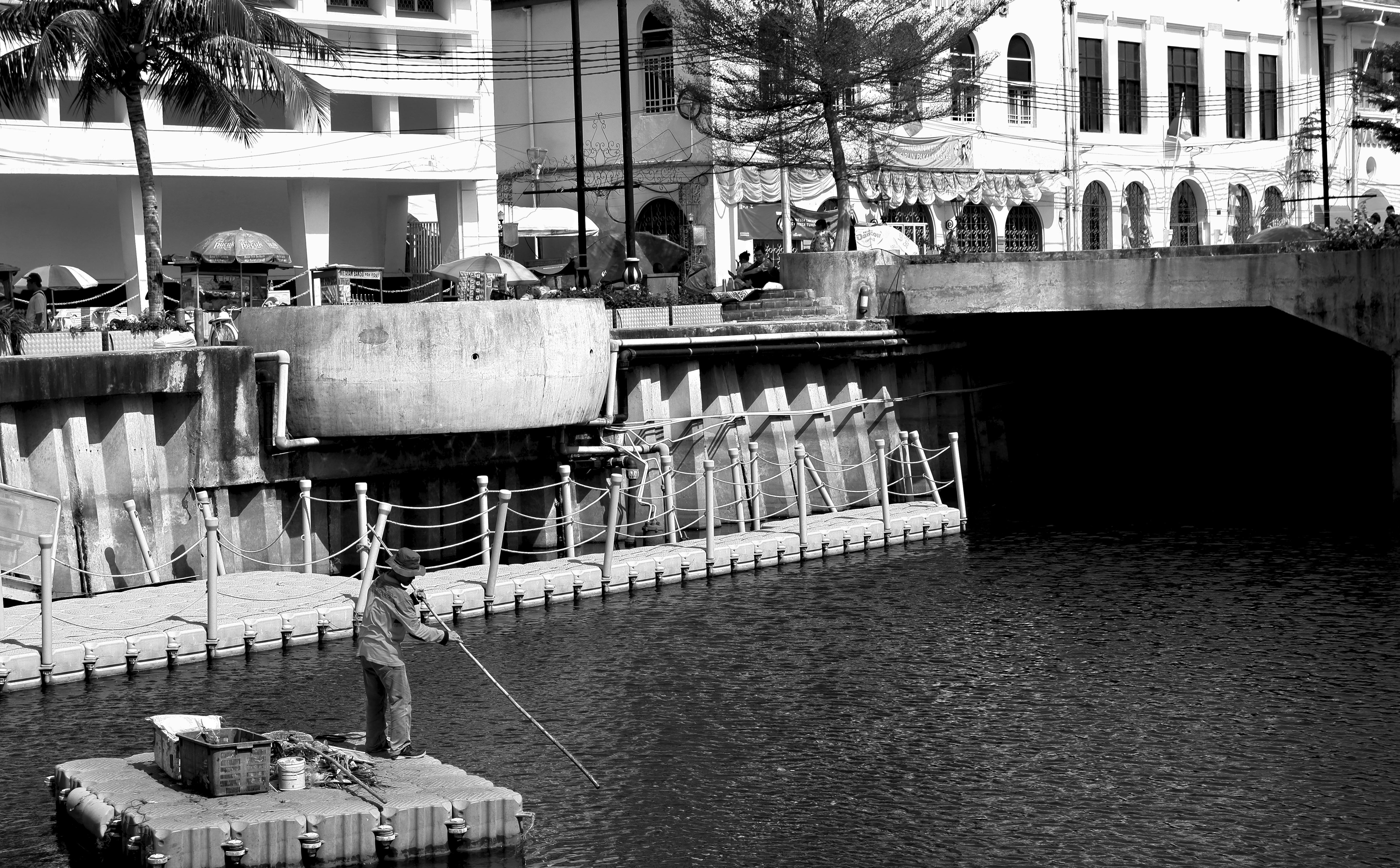
Debris buildup can compromise the integrity of your seawall. Regularly remove any vegetation, trash, or marine growth from the structure. This not only maintains the aesthetic appeal of your property but also prevents further damage.
3. Repairing Minor Cracks
If you notice minor cracks in your seawall, you can fill them with marine-grade epoxy or sealant. This will prevent water from seeping into the cracks and causing further erosion. Be sure to follow the product instructions carefully.
4. Reinforcing with Riprap
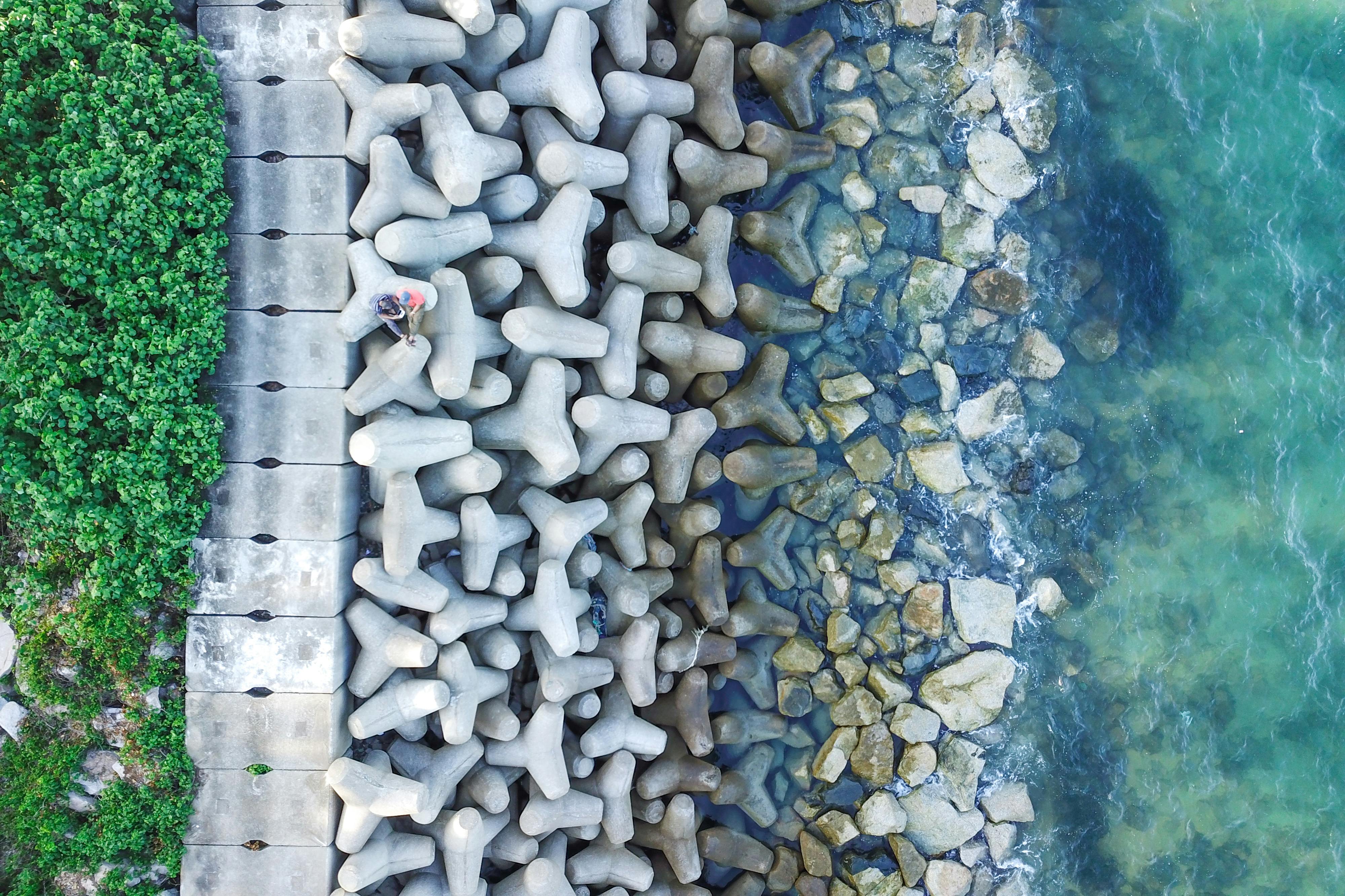
For added protection, consider reinforcing your seawall with riprap, which involves placing large stones or boulders at the base of the wall. This can help absorb the energy of waves and reduce erosion.
5. Monitoring Drainage Systems
Ensure that any drainage systems near your seawall are functioning properly. Poor drainage can lead to water pooling and increased pressure on your seawall, potentially leading to failure.
When to Call the Experts
While DIY maintenance can address minor issues, some situations require professional intervention. If you notice significant structural damage, such as leaning or large cracks, it's time to call in the experts. DECS, based in North Palm Beach, offers comprehensive marine construction services, including seawall repair and maintenance.
By leveraging professional assistance, you can ensure that your seawall remains a robust barrier against coastal elements, providing long-term protection for your property.
Conclusion
Maintaining your seawall might seem daunting at first, but with regular inspections and minor upkeep, you can significantly extend its lifespan. Remember, your seawall is your property's first line of defense against the forces of nature—keeping it in top condition is paramount.
For North Palm Beach homeowners looking to protect their waterfront investment, adopting these DIY maintenance tips is a step in the right direction. However, don't hesitate to seek professional help from DECS when needed, ensuring your seawall stands strong for years to come.